MOSCOW (Reuters) -A Russian Soyuz MS-28 spacecraft with two Russian cosmonauts and one NASA astronaut on board successfully docked with the International Space Station on Thursday, Russian space agency Roscosmos said.
But the agency later reported that the launch pad at the Baikonur Cosmodrome in Kazakhstan had sustained damage from the launch. It said the damage would be quickly repaired.
The Soyuz 2.1a rocket lifted off from the Baikonur Cosmodrome at 12:28 p.m. Moscow time (0928 GMT).
Late on Thursday, Russian news agencies quoted Roscosmos as saying the launch had taken place without incident, but damage was observed after an inspection of the launch area.
"Damage to a number of elements of the launch pad was detected. An assessment of the state of the launch complex is being conducted now," the agencies quoted Roscosmos as saying.
"All the necessary reserve elements are there to restore it and the damage will be eliminated very soon."
It said the crew was on board the station and in good health.
(Reporting by Anastasia Lyrchikova; Writing by Marina Bobrova; Editing by Andrew Osborn, Ron Popeski and Bill Berkrot)
latest_posts
- 1
 Could the Star of Bethlehem have actually been a comet?
 - 2Ski Resorts Universally: A Colder time of year Wonderland Guide
- 3Antimatter took to the road for the very first time. Here’s why it matters
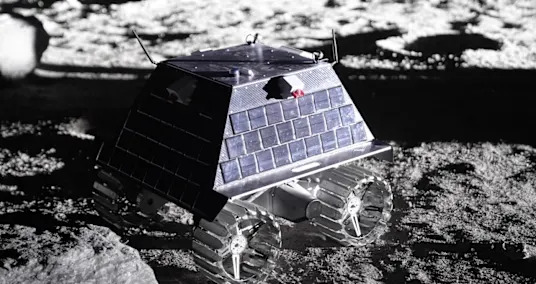
- 4Canada cancels its 1st moon rover: 'It's hopefully not a lost cause'
- 5Moon rush: These private spacecraft will attempt lunar landings in 2026




- Iran-backed militias reassert power in Iraq, proving the Islamic axis is still standing
- This Week In Space podcast: Episode 203 — China Rising
- Why boosting production of Venezuela's 'very dense, very sloppy' oil could harm the environment
- Governments take targeted action as fuel prices hit retail
- 4 astronauts depart ISS, leaving behind just 3 crewmates to staff the orbiting lab
- The Best 15 Applications for Efficiency and Association
- Regeneron's experimental therapy combo effective in untreated cancer patients
- Famous Network programs in Europe and America
- People can't get enough of this couple's Hallmark movie reviews. They don't know the painful backstory.