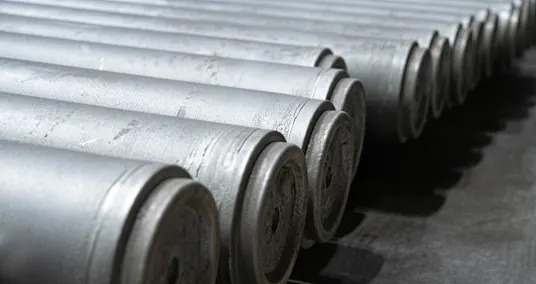
Fears of global aluminium shortages that could affect the production of clean energy technologies intensified after Iran struck two major Gulf aluminium producers, sending prices to a four-year high. The Middle East accounts for 9% of the world’s production of aluminum, which is essential to a wide range of industries from transportation, construction, and packaging, as well as the manufacture of solar panels, electrical transmission systems, wind turbines, and EVs.
Export shipments to the US and Europe had already come to a halt because of the effective closure of the Strait of Hormuz, and Morgan Stanley economists singled out aluminium as carrying a high level of risk across the value chain. Andy Farida, an aluminium analyst at Fastmarkets, told Semafor that high prices would be passed on to end-users, ultimately causing demand destruction. “A prolonged shutdown (with little to no alternative supplies other than Russia and China) could cripple the supply of aluminium to support the production of clean and green technology,” he said, adding that relief could come “if governments allow some sanctioned Russian and Chinese aluminium to be imported.”

latest_posts
- 1
 San Francisco mayor says city in talks to bring pandas back to zoo ahead of trip to Asia
 - 2Step by step instructions to Keep up with Great Hand Cleanliness Before Handshakes
- 3Whale stranded off Germany for days free again
- 4Map shows more than 1,900 measles cases across U.S.
- 5Giude to Best Web based Learning Stage




- Native artists in Texas and Mexico shared their vision of the universe for 4,000 years, ancient murals suggest
- SpaceX's 1st 'Version 3' Super Heavy Starship booster buckles under pressure during initial tests
- Everyone knows F1 is for the girls. I wandered into the Las Vegas desert to find out why.
- Experience Unrivaled Sound: Top Speakers You Really want to Hear
- Gauging the Upsides and downsides of Visas: A Complete Aide
- Wisconsin archaeologists identify 16 ancient canoes in a prehistoric lake 'parking lot'
- Turkiye’s Erdogan calls Israel’s Somaliland recognition ‘unacceptable’
- Which Exhibition hall Do You Suggest? Vote
- 7 Popular Vacation destinations In China


