NEED TO KNOW
Representatives from 132 countries and the EU met in Brazil to address threats to migratory species
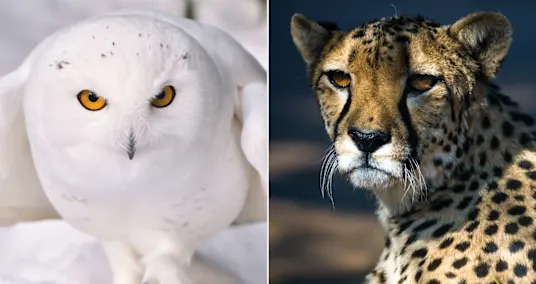
Species receiving new protections include cheetahs, snowy owls, striped hyenas, giant otters, and great hammerhead sharks
Habitat loss, climate change, and pollution are driving declines in many species protected under the treaty
Forty at-risk animal species are gaining new protections from the United Nations.
At a U.N. wildlife conservation meeting in Campo Grande, Brazil, on March 29, the Convention on the Conservation of Migratory Species of Wild Animals (CMS) adopted several measures to strengthen global and regional conservation efforts for species at risk of extinction. The summit brought together representatives from 132 countries and the European Union.
The list of animals that benefit from these new measures includes cheetahs, snowy owls, spotted hyenas, great hammerhead sharks, and several shorebird species.

Credit: Alexis Rosenfeld/Getty
"From cheetahs and striped hyenas to snowy owls, giant otters and great hammerhead sharks, CMS Parties have backed stronger international action as new evidence shows many migratory species are moving closer to extinction," the CMS wrote in an X post.
Parties at the conservation meeting agreed to list the 40 additional species on CMS lists of species in danger of extinction and species in need of coordinated international action. The CMS lists now include over 1,200 unique species.
The week-long conference opened with new findings showing that many treaty-protected species continue to trend downward due to habitat loss, overexploitation, and infrastructure barriers, accelerating declines across species that span national borders.

Credit: VOLKER HARTMANN/DDP/AFP via Getty
The group also addressed a growing need to combat threats such as deep-sea mining, climate change, plastic pollution, underwater noise, illegal wildlife killing, fisheries, and marine pollution.
Never miss a story — sign up for PEOPLE's free daily newsletter to stay up-to-date on the best of what PEOPLE has to offer, from celebrity news to compelling human interest stories.
"We came to Campo Grande knowing that the populations of half the species protected under this treaty are in decline," CMS Executive Secretary Amy Fraenkel said in a statement.
"We leave with stronger protections and more ambitious plans, but the species themselves are not waiting for our next meeting. Expanded protections for striped hyena, snowy owls, giant otters, great hammerhead sharks, and many more demonstrate that nations can act when the science is clear. Our duty now is to close the distance between what we've agreed and what happens on the ground for these animals," she added.
Read the original article on People
latest_posts
- 1
 Tire Brands for Senior Drivers: Guaranteeing Security and Solace
 - 2Health officials report 14 Legionnaires' disease cases in Florida, gym connection suspected
- 3Presenting Nintendo's New Pastel Bliss Con Tones for Switch Gamers: 3 Smart Choices
- 4Abbott issues US device correction for some glucose monitors over faulty readings risk
- 5Who plays Moana in the live-action remake? What to know about Catherine Lagaʻaia.


- Help Your Efficiency: 10 Authoritative Apparatuses to Attempt
- How a cocktail of rogue storms and climate chaos unleashed deadly flooding across Asia
- Katz to Hezbollah chief Qassem: You won't live to see Israel’s full response to Passover attacks
- Burkina Faso forces killed twice as many civilians as jihadists, rights group says
- Yoshi mania, Happy Meals and not-so-great reviews: A small talk guide to 'The Super Mario Galaxy Movie'
- Bowen Yang is reportedly leaving 'Saturday Night Live' after this week's episode
- Man threatens attack on German high-speed train, injures several
- Catch the moon dancing with bright star Regulus tonight
- Brazil approves law strengthening protective measures for female victims of gender-based violence