
Nine in 10 German manufacturing companies expect the war in Iran to impact their business, a leading economic institute found on Tuesday.
The Munich-based ifo Institute said only 9% of industrial firms reported in a survey that they do not foresee being affected by the conflict.
"The conflict impacts manufacturing directly but above all causes major uncertainty," said Klaus Wohlrabe, head of surveys at ifo. "Many companies are preparing for additional burdens in the coming months."
More than three-quarters of industrial companies in Germany (78%) cited rising energy prices as the main source of concern, while 36% pointed to restrictions on shipping routes and supply issues with intermediate products and raw materials.
The institute said 16% of companies fear disruption to air freight traffic.
Just under a quarter, or 24%, expect demand to decline in key export markets.
Furthermore, many companies see financial risks, such as uncertain freight and logistics costs, rising insurance premiums or increased payment risks.
"The results make it clear that the economic consequences of the Iran war can already be seen now, and could be compounded via various channels," said Wohlrabe. "The longer the uncertainty lasts, the greater the economic problems will be for the companies."
latest_posts
- 1
 Netanyahu on Gush Etzion terror attack: 'We will complete war on all fronts'
 - 2Exploring Being a parent: A Survey of \Bits of knowledge and Guidance for Guardians\ Nurturing Book
- 3Figuring out Significant Regulations and Guidelines for Organizations
- 4Egypt seeks to calm tourist fears over fallout of Iran war
- 5South Africa pushes for $200B investment




- Home Wellness Basics: Building Your Home Exercise center
- Vote In favor of Your Favored Kind Of Vegetable
- Figurine of a woman and a goose offers peek at prehistoric beliefs
- Brazilian cardinal orders a popular Catholic priest to go offline following right-wing attacks
- Share your number one city visit transport that leaves a mark on the world wake up!
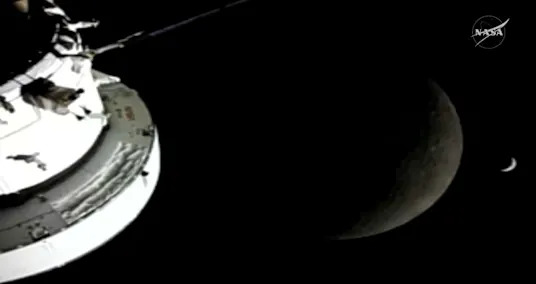
- Artemis 2 astronauts fly around the moon in record-breaking lunar loop by NASA
- Midlife weight gain can start long before menopause – but you can take steps early on to help your body weather the hormonal shift
- Would you ever turn to AI for companionship? 6% of Americans say they could — or already have.
- These men carry towers of birds through Mexico's streets. They say their tradition is dying out.