Latvia will seek an emergency meeting of the United Nations Security Council in response to Russia’s latest heavy attacks on Ukraine, Latvian Foreign Minister Baiba Braže said on Friday.
Russia earlier carried out renewed large-scale airstrikes on Ukraine and said it had, for the second time since the start of the war, used its nuclear-capable Oreshnik intermediate-range missile in stike on the western city of Lviv, not far from the border with Poland.
"Latvia will request an extraordinary meeting of the UN Security Council in response to Russia’s barbaric attack against Ukraine, including using an intermediate range ballistic missile close to the EU and NATO border," Braže wrong on X.
Latvia took up a non-permanent seat on the Security Council for the first time on January 1 and will serve on the UN’s most powerful body for two years.
The Baltic EU and NATO member, which borders Russia, is a close partner and supporter of Ukraine, which has been fighting a Russian invasion for nearly four years.
latest_posts
- 1
 The most effective method to Really Adjust Hypothesis and Practice in Your Brain science Studies
 - 2Find the Historical backdrop of Common liberties: Advancing Equity and Equity Around the world
- 3Islamic State group militants claim capture and execution of a Nigerian brigadier general
- 4Closets for Your Room: Plan and Utility Features
- 5Farmers worry about rising cost of fertiliser




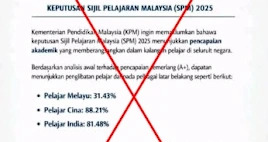
- Fabricated statement about Malaysian national exam top scorers stokes racial sentiment
- Interstellar comet 3I/ATLAS will fly by Earth Friday. Here are the latest images
- Former United Launch Alliance CEO Tory Bruno joins competitor Blue Origin for national security projects
- Vote in favor of the Web-based Work out schedule to Keep You Fit and Sound
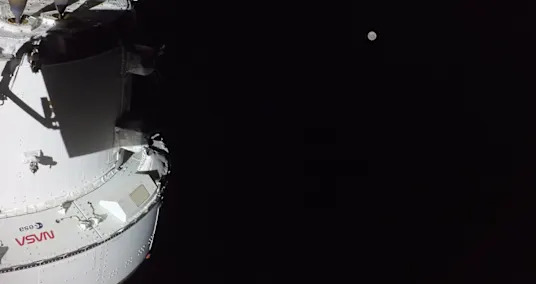
- NASA Artemis 2 astronauts to make historic moon flyby today. Here's what to expect hour by hour (timeline)
- Israeli strikes in Gaza kill 25 people, Hamas health authority says
- A definitive Manual for 2024's Most In vogue Wedding Dresses
- Understanding Successful Compromise Standards to Cultivate Agreeable Connections
- Jamaica reports deadly leptospirosis outbreak after Hurricane Melissa